1. Introduction to Mechanical Machining and Occupational Safety
Mechanical machining is a crucial field in the industry, involving the production and processing of products from metals and alloys. This work typically includes processes such as milling, turning, cutting, grinding, welding, and machining metal surfaces to create precise mechanical parts. However, with the hazardous nature of the machinery and equipment used in this process, safety techniques in mechanical machining are indispensable for protecting workers and ensuring work efficiency.
In mold mechanical machining, lathe-milling-planing mechanical machining, safety protection not only involves the correct use of personal protective equipment but also includes technical safety measures in mechanical machining, organization, and employee training on safety procedures.
2. Common Risks in Mechanical Machining
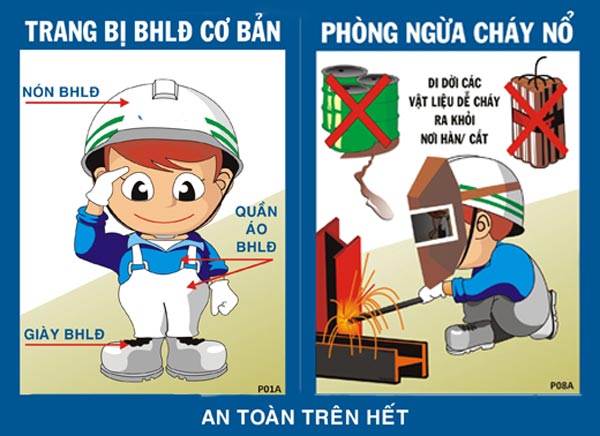
In the machine fabrication and processing environment, there are many risks that can cause serious injury to workers if safety techniques in mechanical machining are not properly managed:
- Mechanical injuries: This risk stems from contact with moving machine parts such as gears, belts, and rotating shafts, which can cause injury to machine operators.
- Exposure to hot materials: Many mechanical machining processes, such as welding, require handling materials at very high temperatures. This can lead to severe burns if workers are not properly protected.
- Hazardous chemicals: Some mechanical machining processes use coolants or other chemicals that can be harmful to health when inhaled or contacted through the skin.
- Noise and vibration: Working in the environment of mechanical machining plants often involves exposure to loud noise and vibration, which can cause hearing problems and overall health issues.
3. Technical Safety Measures in Mechanical Machining
To ensure safety, technical safety measures in mechanical machining must be strictly implemented:
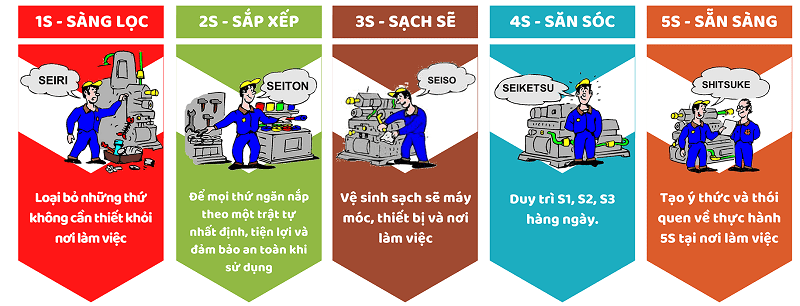
- Use of personal protective equipment (PPE): Workers must be fully equipped with personal protective equipment such as safety glasses, gloves, safety shoes, and hard hats to protect against mechanical, thermal, and chemical hazards.
- Machine protection: All machines must be equipped with guards such as shields, motor covers, and emergency stop systems to minimize the risk of contact with moving parts.
- Safe work procedures: Work procedures must be clearly established and strictly followed, including proper machine startup and shutdown, safe material handling, and regular machine inspections.
- Work environment control: The work environment should be designed to minimize risks, such as installing ventilation systems to remove toxic fumes, controlling noise, and ensuring adequate lighting for work.
- Training and education: Employees need to be trained on safety procedures, how to use protective equipment, and how to respond in emergencies. Continuous training and knowledge updates are essential to ensure everyone is aware of potential risks.
4. Standards and Regulations on Safety in Mechanical Machining
Compliance with safety techniques in mechanical machining is a key factor in ensuring a safe working environment, even in small mechanical machining workshops. Some important safety standards and regulations in the field of mechanical machining include:
- ISO 45001: This is an international standard for occupational health and safety management, providing guidelines for organizations to implement to protect employees from workplace risks.
- OSHA (Occupational Safety and Health Administration): In the United States, OSHA sets safety regulations and standards that businesses must comply with. These regulations include requirements for machine guarding, safety training, and protective measures against hazards such as noise and chemicals.
- Occupational safety regulations in Vietnam: In Vietnam, the Ministry of Labor, Invalids and Social Affairs provides occupational safety regulations in industries, including mechanical machining. These regulations include requirements for personal protective equipment, machine safety, and regular equipment inspections.
Safety techniques in mechanical machining are an integral part of the production and manufacturing process in the industry. By adhering to safety measures, using personal protective equipment, and complying with safety regulations, businesses can minimize risks and ensure worker safety. Proper attention to safety not only protects the health and lives of employees but also enhances work efficiency and business reputation.
With the continuous development of technology and production processes, updating and applying the latest safety techniques in mechanical machining is essential to address new challenges in mechanical machining. Safety is not only the responsibility of workers but also the responsibility of the entire organization in creating a safe and efficient working environment.